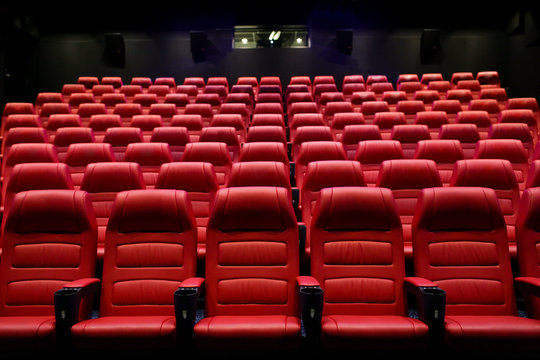
Why We Stopped Going to the Movies (And Why It Matters)
The theatrical experience is not dying because of streaming. It is dying because theaters stopped giving people a reason to leave their couch.
The VerdictMarch 1, 20267 min readtheaters, exhibition, industry
Let’s be honest. The last time you went to the movies, was it actually good? Not the film, but the *going*. The experience. The thing you paid a premium for, drove 15 minutes for, and put on actual pants for. If you’re hesitating, you’re not alone. The slow, wheezing death of the movie theater has been blamed on everything from Netflix to iPhones to avocado toast, probably. But the real killer isn’t in our living rooms. It’s in the lobby.
The Sticky Floor Fallacy
For decades, the theatrical business model was simple: get people in the door with a movie they couldn’t see anywhere else, then fleece them on popcorn and soda. It was a captive audience, and theaters treated them accordingly. The floors were sticky, the seats were lumpy, the projection was dim, and the sound was… well, it was loud. We put up with it because we had no other choice. It was the only place to see Star Wars on a screen bigger than a toaster oven.
This business model wasn’t just lazy; it was arrogant. It assumed the audience’s presence was a given, not something to be earned. Theaters weren’t in the hospitality business; they were in the monopoly business. And like all monopolies, they got comfortable. They stopped innovating, they stopped caring, and they stopped respecting the very people who kept the lights on. They forgot that they were selling an experience, not just a ticket.
Convenience is a Hell of a Drug
Then came the internet. And streaming. Suddenly, the monopoly was broken. Theatrical exhibition was no longer the only game in town. Why drive to a sticky-floored multiplex to watch a movie with a hundred strangers when you could watch it at home, on your own schedule, with your own snacks, and the ability to pause for bathroom breaks? Theaters, for the most part, had no answer to this question. They just kept doing what they’d always done, as if nothing had changed.
Theaters weren’t in the hospitality business; they were in the monopoly business. And like all monopolies, they got comfortable.
The rise of streaming didn’t kill the theatrical experience. It exposed it. It revealed just how little value theaters were actually providing. It forced a question that the industry had been avoiding for years: if you take away the exclusivity, what is a movie theater actually for? For a shocking number of exhibitors, the answer was a deafening silence. They had spent so long taking their audience for granted that they had forgotten how to give them a reason to show up.
The Premium Promise, Rarely Kept
In response to the streaming threat, some theaters went “premium.” They added reclining leather seats, assigned seating, and fancy food and drink service. And they jacked up the prices to match. The promise was a luxury experience, a night out that was worth the extra cost and effort. The reality, however, has been… mixed. More often than not, “premium” just means a more expensive version of the same old problems.
The food is mediocre and overpriced. The service is slow and disruptive. And the other patrons are still just as annoying, only now they’re doing it in a slightly nicer chair. The core experience hasn’t been rethought; it’s just been reupholstered. It’s a superficial solution to a fundamental problem. Theaters are trying to solve a value proposition problem with cosmetic upgrades, and it’s not working. They’re putting a tuxedo on a pig, and charging you for the privilege.
Hollywood's Self-Inflicted Wound
It’s not all the theaters’ fault. The studios are just as much to blame. The relentless focus on blockbuster franchises and cinematic universes has hollowed out the mid-budget movie, the very kind of film that used to be the bread and butter of the theatrical experience. The result is a cinematic landscape of extremes: massive, nine-figure spectacles and tiny, micro-budget indies, with very little in between.
This has created a feedback loop of diminishing returns. Theaters need big movies to survive, so they dedicate all their screens to the latest superhero sequel. This pushes out smaller, more interesting films, which then go straight to streaming. Audiences, seeing the same handful of movies at every theater, get the message: the multiplex is for big, dumb fun, and everything else can be watched at home. The studios, in their quest for guaranteed hits, have accidentally trained audiences to devalue the theatrical experience itself.
The Community Component
What’s been lost in all of this is the sense of community. The magic of seeing a movie with a crowd of strangers, of sharing in the gasps and the laughs and the applause. This is the one thing that streaming can never replicate. And it’s the one thing that theaters have almost completely failed to capitalize on. They’ve treated the audience as a collection of individual consumers, not as a community of fans.
The studios, in their quest for guaranteed hits, have accidentally trained audiences to devalue the theatrical experience itself.
Imagine a theater that leaned into this. A theater that hosted Q&As with filmmakers, that programmed double features of classic films, that had a bar where you could grab a drink and talk about the movie afterward. A theater that was a destination, not just a distribution channel. A theater that felt like a clubhouse for movie lovers. This isn’t a radical idea. It’s what the best independent theaters have been doing for years. But the big chains, in their infinite wisdom, have been too busy trying to figure out how to sell you a slightly more expensive hot dog.
What Is a Movie Theater For?
This is the question that the entire industry needs to be asking itself. In a world where you can watch almost anything, anytime, anywhere, what is the purpose of a movie theater? Is it just a big room with a big screen? Or is it something more? Is it a place for spectacle? A place for community? A place for quiet, focused contemplation?
Theatrical exhibition is not a right. It is a privilege. And it is a privilege that has to be earned, every single day.
The answer, of course, is that it can be all of these things. But not if it continues on its current path. Not if it continues to treat its audience with contempt, to nickel and dime them at every turn, to offer a subpar experience at a premium price. The theatrical experience is not dying because of streaming. It is dying because theaters stopped giving people a reason to leave their couch. They forgot that they are not just in the business of showing movies; they are in the business of making memories.
The Verdict
The future of the movie theater is not guaranteed. It is not a birthright. Theaters are not entitled to our time or our money. If they want to survive, they have to earn it. They have to offer an experience that is demonstrably better than staying at home. That means clean facilities, pristine presentation, a variety of programming, and a sense of community. It means treating the audience as guests, not as hostages. It means remembering that the magic of the movies is not just on the screen; it’s in the room. Theatrical exhibition is not a right. It is a privilege. And it is a privilege that has to be earned, every single day. Otherwise, the credits will roll, the lights will come up, and the theater will be empty for good.
Pro Only
The Discourse
Unlock the full verdict experience. Scorecards, critic reviews, and The Discourse - all yours.