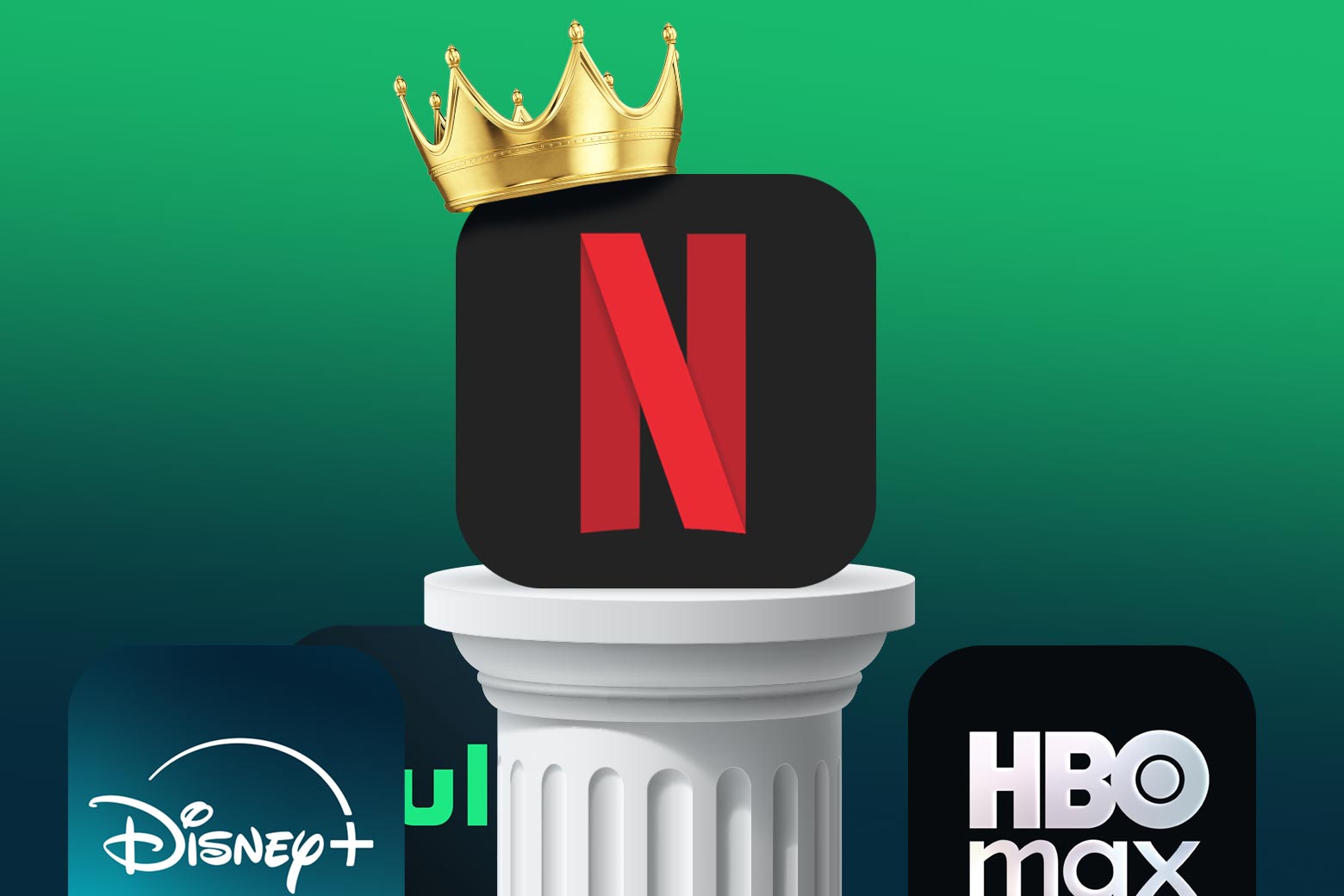
There are no more movie stars. There are IP holders, algorithm darlings, and people who were famous before streaming ate everything. Here is what happened.
The VerdictJanuary 28, 20267 min readstreaming, stars, industry
There are no more movie stars. Not really. Not in the way we used to mean it.
That kind of incandescent, box-office-shattering, culture-defining fame has been ground down to a fine, forgettable dust. We have IP holders now. Algorithm darlings. People who were already famous before the streaming tsunami hit and are now just clinging to the wreckage. But the assembly line that produced the larger-than-life icons of the 20th century? It’s been shut down, dismantled, and sold for parts by Netflix, Amazon, and the rest of the digital content mills.
The Old Guard: When a Name Sold a Movie
Remember when a single name above the title was enough? Cruise. Roberts. Smith. Washington. Their presence wasn’t just a casting choice; it was the entire marketing campaign. You went to see a “Tom Cruise movie” or a “Julia Roberts movie.” The genre, the director, the plot - all secondary. You were buying a ticket to spend two hours with a personality you felt you knew, a charisma so potent it could carry a mediocre script and still feel like an event.
This was the era of the true movie star. They were minted by a studio system that understood the power of myth-making. Through carefully curated roles, magazine covers, and late-night talk show appearances, they built auras. They felt both impossibly glamorous and intimately familiar. They were the gods of our modern Olympus, and the box office was their temple. Their power was singular: they could open a movie. That was the job, and they were worth every penny of their multi-million dollar salaries because they delivered.
Their presence wasn’t just a casting choice; it was the entire marketing campaign. You went to see a “Tom Cruise movie.” The plot was secondary.
The Algorithm as Auteur
Then came Netflix. And with it, a seismic shift in how entertainment is made, distributed, and consumed. The new king wasn’t a studio head with a golden gut; it was a cold, calculating algorithm. And the algorithm doesn’t care about charisma. It cares about data points. It knows you watched three seasons of a gritty British crime drama and a stand-up special by a comedian from Ohio. Therefore, it will serve you a movie starring that comedian in a gritty British crime drama. The logic is brutal, efficient, and utterly devoid of magic.
Streaming platforms don’t need stars; they need content units. They need a ceaseless firehose of movies and shows to keep you from canceling your subscription. In this model, actors are interchangeable. They are cogs in a machine designed for retention, not resonance. The goal is no longer to create a cultural moment, but to fill a programming slot. The result is a landscape of fleeting, context-collapsed fame. You might recognize an actor from that one show you binged last month, but you probably don’t know their name, and you certainly aren’t going to follow them to their next project. Why would you? The algorithm has already picked it for you.
IP is the New Star Power
In the old world, Will Smith was the franchise. Today, the franchise is the franchise. The most bankable stars in modern Hollywood are not people; they are intellectual properties. Batman. Marvel. Star Wars. The actors are temporary custodians of the brand, easily replaceable. Chris Pine, Chris Pratt, Chris Evans - does it matter? The draw is the shield, the spaceship, the superhero suit. The human element has become a secondary concern.
This is the logical endpoint of a risk-averse Hollywood that would rather reboot a known property than bet on an original story with an unproven face. Why gamble on creating the next Denzel Washington when you can just make another Spider-Man movie? The IP provides a built-in audience and a predictable return on investment. The actor is just a vessel. This shift has fundamentally devalued the very concept of stardom. An actor’s power used to be their unique, irreplaceable quality. Now, their greatest asset is their willingness to be a cog in a pre-existing machine.
The Incredible Shrinking Fame Cycle
Fame used to have a life cycle. It was built over years, through a succession of roles that carefully shaped a public persona. It was a slow burn. Now, it’s a flash fire. Thanks to the binge model, an actor can go from total unknown to global phenomenon overnight. The cast of ‘Squid Game’ or ‘Bridgerton’ experienced a level of instantaneous fame that would have been unimaginable 20 years ago. But it’s a different kind of fame. It’s intense, but it’s shallow. And it’s terrifyingly fast.
Streaming platforms don’t need stars; they need content units. They need a ceaseless firehose of movies and shows to keep you from canceling your subscription.
The same algorithm that creates these overnight sensations is just as quick to move on. The cultural conversation is relentless. That show everyone was obsessed with three weeks ago is now ancient history. The constant churn of content creates a kind of cultural amnesia. We consume, we forget, we move on. For actors, this means their window of relevance is brutally short. They are trapped on a content treadmill, forced to jump from project to project just to stay in the public consciousness. There is no time to build a legacy, only to avoid being forgotten.
Where Have All the Icons Gone?
So who are the new movie stars? Timothée Chalamet? Florence Pugh? Zendaya? They are all talented, charismatic actors. But are they movie stars in the classic sense? Can they, on their own, guarantee a massive opening weekend for an original, non-franchise film? The evidence is shaky at best. They are famous, yes. But their fame feels different. It’s more diffuse, more tied to their social media presence and their fashion choices than to their on-screen magnetism.
They are products of a fragmented media landscape. They are stars of TikTok and Instagram as much as they are stars of the screen. Their celebrity is built on a different foundation, one that is less about larger-than-life mystique and more about relatable, always-on personal branding. They haven’t replaced the old gods; they are a new, different species of celebrity altogether. A species bred for the algorithm, not the silver screen.
The Verdict
The movie star is dead. And the cause of death was a thousand cuts from a million different pieces of content. The system that created them - the patient, myth-making machinery of the Hollywood studio - has been replaced by the impatient, data-driven logic of the streaming giants. The economics of the industry no longer favor the creation of singular, bankable personalities. It favors the endless, disposable churn of IP and content units.
We may never again see a star with the gravitational pull of a Julia Roberts or a Will Smith. That era of monoculture, where a single face could capture the world’s attention, is over. We are left with a constellation of smaller, dimmer stars, their light flickering briefly before being lost in the infinite, algorithmic night. It’s not better or worse, necessarily. It’s just where we are. The throne is empty. The kingdom is gone. And the algorithm is king.
Pro Only
The Discourse
Unlock the full verdict experience. Scorecards, critic reviews, and The Discourse - all yours.