The MCU went from cultural event to cultural obligation. Here is why the audience checked out.
The EditorsMarch 12, 20269 min readmarvel, mcu, franchise
The Party's Over
Remember when a new Marvel movie felt like a holiday? The midnight premieres, the frantic ticket booking, the global water cooler talk that lasted for weeks. For a solid decade, the Marvel Cinematic Universe wasn't just a franchise- it was a cultural phenomenon, a reliable source of blockbuster entertainment that consistently delivered. Now, it feels like an obligation.
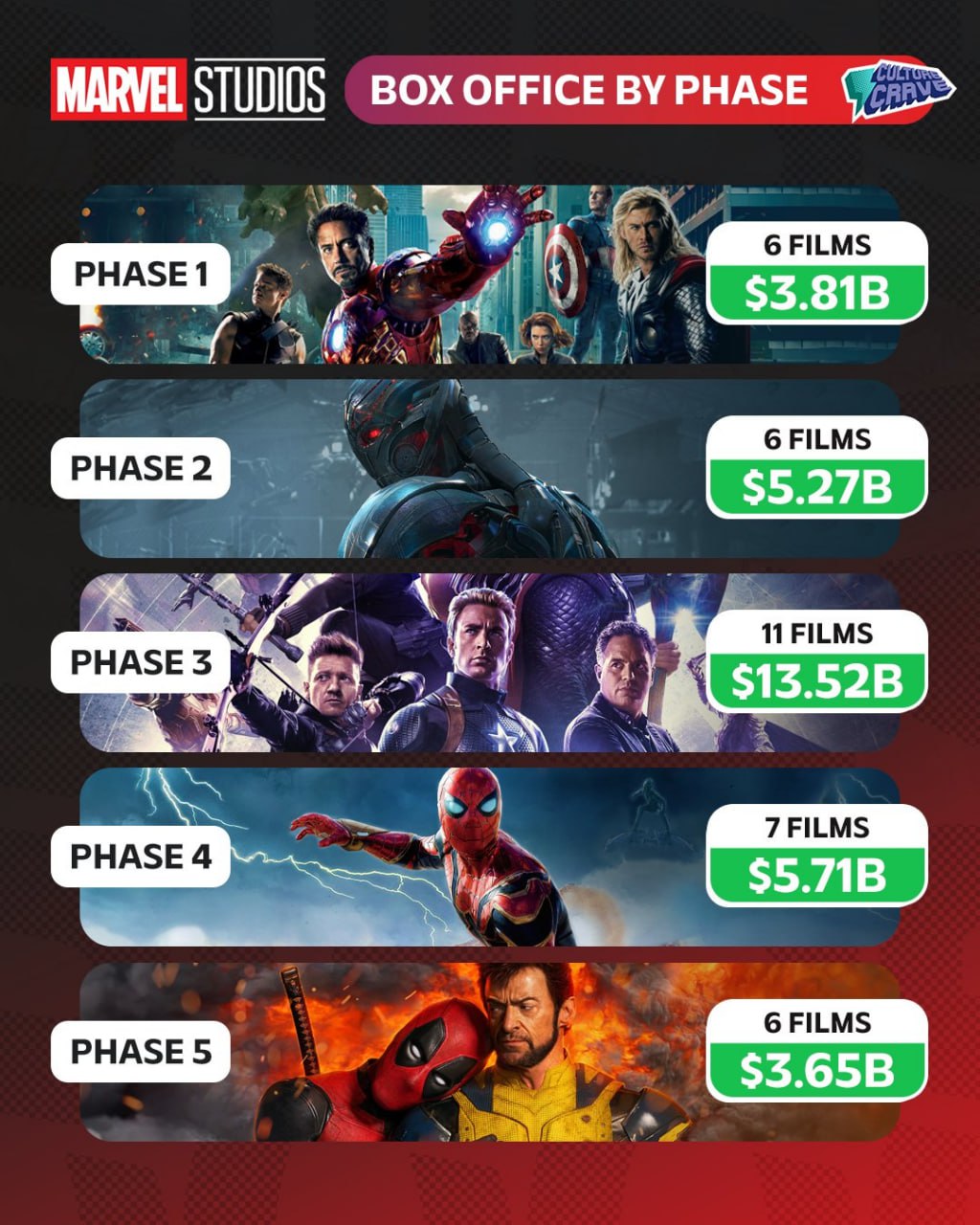
The numbers don't lie. What started with the thunderous success of Iron Man and culminated in the world-shattering triumph of Avengers: Endgame has devolved into a string of lukewarm receptions and outright box office bombs. This isn't a temporary slump or a string of bad luck. This is Marvel Fatigue, and it's not just real- it's a structural rot that has set in at the heart of the once-invincible studio.
style="border-left: 3px solid #F5C800; padding: 0.8rem 1.2rem; margin: 1.5rem 0; font-style: italic; font-size: 1.1rem;">The MCU went from cultural event to cultural obligation. The audience didn't just get tired; they got smart.
The Disney+ Deluge
The launch of Disney+ was supposed to be Marvel's victory lap. Instead, it became the Trojan horse that smuggled mediocrity into the kingdom. Suddenly, the MCU wasn't just two or three epic films a year; it was a relentless firehose of content. WandaVision, The Falcon and the Winter Soldier, Loki, Hawkeye, Ms. Marvel, She-Hulk- the list goes on. Each new series, while occasionally interesting, demanded homework.
What was once a cinematic universe became a sprawling, multi-platform content ecosystem. To understand the next movie, you had to watch three different streaming shows. The barrier to entry for casual fans became impossibly high. The shared universe, once Marvel's greatest asset, had become a crushing liability. It was no longer a treat; it was a chore.
The story the numbers tell: a universe in decline.
The Endgame Hangover
Avengers: Endgame was more than a movie; it was a generational event. It was the grand, emotional finale to a story told over 22 films. It was also the perfect ending. Tony Stark was gone. Captain America was retired. The Infinity Saga was complete. And Marvel should have taken a bow.
Instead, they kept the party going long after the music stopped. Phase 4 and 5 have felt like a desperate attempt to recapture the magic, a series of disjointed, low-stakes adventures with B-list characters. The multiverse, once a tantalizing concept, has become a narrative crutch, a way to reboot and rehash old ideas without any real consequences. The death of a hero used to mean something. Now, it's just a prelude to their variant showing up in the next Disney+ show.
The Box Office Reckoning
The audience has voted with their wallets. The Marvels, once positioned as a flagship team-up, became the lowest-grossing film in MCU history. Ant-Man and the Wasp: Quantumania, despite introducing the next big bad, fizzled. Even films that weren't outright bombs, like Thor: Love and Thunder, were met with a collective shrug. The cultural conversation has moved on. The must-see magic is gone.
This isn't just about a few underperforming films. It's about the erosion of brand trust. Marvel used to be a seal of quality. Now, it's a gamble. For every Guardians of the Galaxy Vol. 3, there are three or four forgettable entries that feel more like content than cinema. The studio that once meticulously planned its every move now seems to be throwing everything at the wall and hoping something sticks.
Marvel stopped earning the appointment. They assumed our attention was a birthright, not a privilege.
There Is No Way Back- Except a Reboot
Can Marvel pull out of this nosedive? The answer is yes, but it will require a level of creative discipline the studio hasn't shown in years. The solution isn't more content; it's better, more focused storytelling. They need to make the universe feel smaller again.
Forget the multiverse for a while. Tell self-contained stories with compelling characters and real stakes. Stop treating every film as a stepping stone to the next big crossover event. Let directors with a unique vision actually make their movies, instead of just executing a pre-approved house style. And for God's sake, give the audience a break. Let us miss you again.
The problem isn't that we have too many superhero movies. It's that we have too many mediocre Marvel ones.
The Curtain Falls
The golden age of the MCU is over. That isn't an opinion- it's a box office reality. The studio that once captured the zeitgeist is now just another content factory, churning out product at an unsustainable rate. The magic is gone, replaced by a relentless, exhausting content machine.
Marvel Fatigue is the inevitable result of a brand that got too big, too fast, and forgot what made it special in the first place: great stories, beloved characters, and a sense of genuine cinematic event. Until they find that again, the audience will continue to check out. The party's over. It's time to go home.
Pro Only
The Discourse
Unlock the full verdict experience. Scorecards, critic reviews, and The Discourse - all yours.