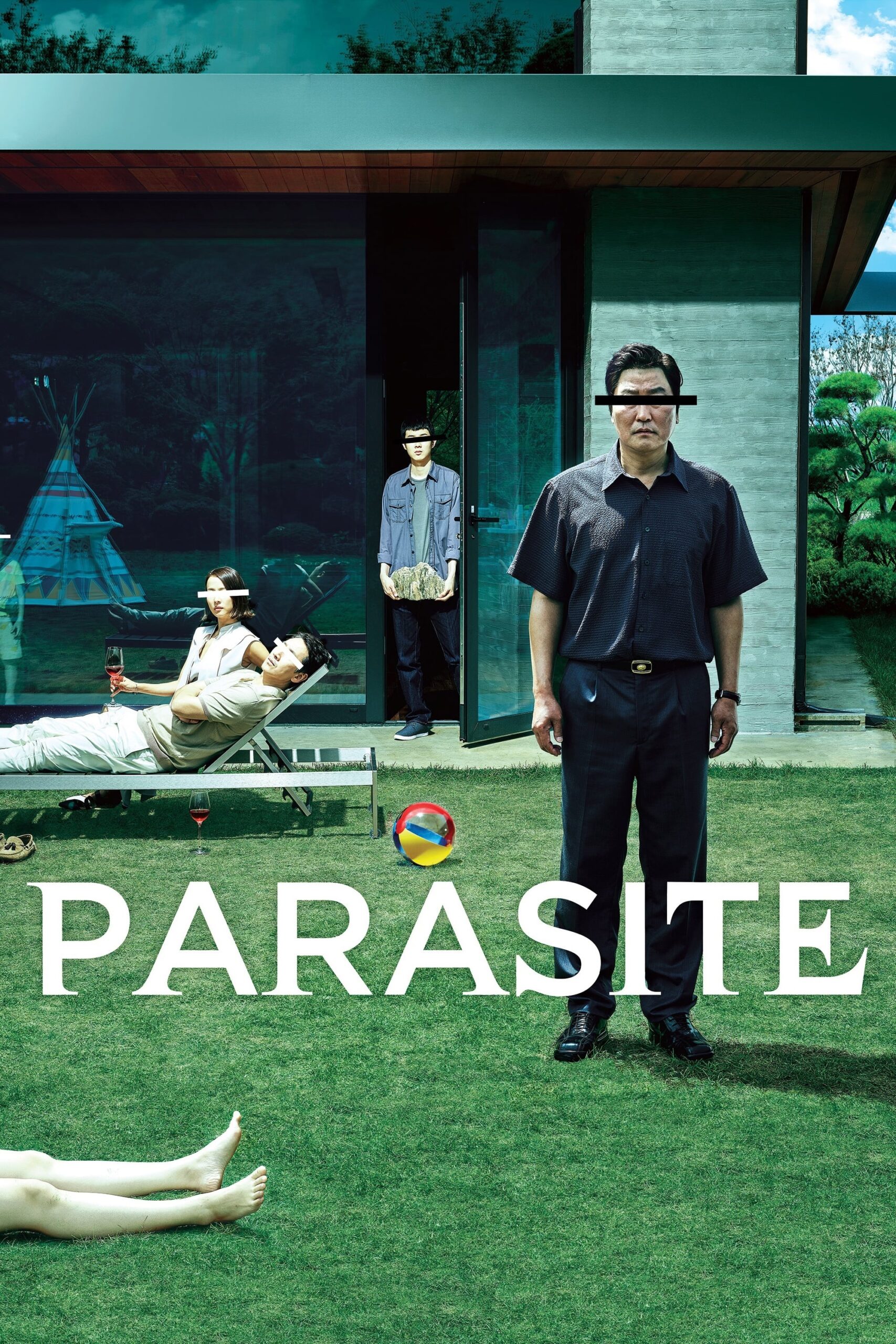
Parasite opened the door. The rest of the world walked through it. Hollywood is still standing in the hallway.
The EditorsMarch 18, 202610 min readinternational, global-cinema, hollywood
The Night the Subtitles Won
Let’s be honest. When Bong Joon-ho’s Parasite swept the 2020 Oscars, a certain kind of Hollywood executive probably choked on their gluten-free kale chip. It wasn’t supposed to happen. A South Korean film-a film with *subtitles*-wasn’t meant to win Best Picture. That trophy was reserved for prestige dramas about historical figures or, failing that, a movie where someone bravely overcomes a mild personal inconvenience.
But it did happen. And in that moment, the carefully constructed walls of Hollywood’s echo chamber didn’t just crack-they were sledgehammered into dust. For decades, the American film industry operated on a simple, arrogant assumption: they made movies, and the rest of the world bought the tickets. International cinema was a quaint little category, a cinematic petting zoo for the arthouse crowd, but not a real threat. Not a true competitor.
Parasite wasn't a fluke. It was a declaration of war-a war for the title of the world's most vital, interesting, and daring cinema. And right now, Hollywood is losing. Badly.
The win was a cultural shockwave. It was the cinematic equivalent of the rest of the world grabbing the microphone and saying, "We’ve been making masterpieces for years. It’s about time you noticed." The so-called "one-inch barrier of subtitles" that Bong Joon-ho so eloquently called out was suddenly revealed for what it always was: a flimsy excuse for a lack of curiosity.
Bong Joon-ho’s Parasite, the film that shattered Hollywood’s illusions.
The Global New Wave is Here (and it's Not in English)
If Hollywood thought Parasite was a one-off, they weren't paying attention. The floodgates were open. In the years since, the most talked-about, critically adored, and genuinely groundbreaking films have consistently come from outside the United States. The evidence is overwhelming, and frankly, a little embarrassing for the home team.
Japan gave us Ryusuke Hamaguchi’s Drive My Car, a three-hour meditation on grief and art that felt more emotionally resonant than a decade’s worth of Hollywood’s Oscar-bait biopics. It didn’t just win Best International Feature; it was a legitimate contender for Best Picture, proving that audiences have the attention span for masterful storytelling, no matter the length or language.
Then there's India's RRR, a maximalist action epic that exploded onto screens with more creativity in a single dance number than most Hollywood blockbusters manage in their entire runtime. It was a joyous, un-cynical spectacle that reminded everyone how fun movies could be-a lesson the franchise-obsessed American studios seem to have forgotten. The fact that its song "Naatu Naatu" won an Oscar felt less like a surprise and more like an inevitability.
The hits kept coming. From South Korea, Celine Song's Past Lives delivered a subtle, heartbreaking romance that was both deeply specific to the Korean immigrant experience and universally human. From France, Justine Triet’s Anatomy of a Fall deconstructed a marriage with the precision of a surgeon, creating a courtroom drama that was less about a verdict and more about the fictions we tell ourselves. And from the UK and Poland, Jonathan Glazer's The Zone of Interest used the Holocaust not for melodrama, but to create a chilling, unforgettable portrait of the banality of evil.
These aren't just good 'foreign' films. These are the best films, period. They are setting the creative benchmark, while Hollywood is busy calculating the ROI of another superhero sequel.
Even Germany’s All Quiet on the Western Front, a story Hollywood has told before, felt more visceral, more horrifying, and more urgent in its depiction of war than any American film in recent memory. It swept the BAFTAs and nabbed four Oscars, not because of novelty, but because of its sheer, uncompromising power.
Ryusuke Hamaguchi’s Drive My Car, a three-hour masterpiece of quiet power.
Hollywood Hits the Snooze Button
So what’s Hollywood’s excuse? While the rest of the world is producing urgent, original, and artistically daring work, American cinema seems to be stuck in a creative cul-de-sac. The business model has completely suffocated the art. The guiding principle is no longer "is it good?" but "is it a pre-existing intellectual property that we can milk for a trilogy and three spin-off series?"
The obsession with IP is a disease. For every genuinely great film like Barbie-a rare example of a corporate product turned into subversive art-there are a hundred joyless, focus-grouped exercises in brand extension. We are drowning in a sea of sequels nobody asked for, prequels that explain things that never needed explaining, and live-action remakes of animated classics that systematically strip out the charm and soul of the originals.
The box office numbers tell the story. Audiences are showing signs of fatigue. The once-invincible superhero genre is starting to show cracks. Movies that feel like homework-films you *have* to see to keep up with a sprawling cinematic universe-are becoming a chore. People are craving novelty, originality, and a reason to leave their house that doesn't involve a post-credits scene teasing the next installment.
Hollywood has become the cinematic equivalent of a cover band, endlessly playing the hits of its own past while the rest of the world is writing new anthems.
This isn’t to say there are no good American films being made. Of course there are. But they are increasingly the exceptions, not the rule. They are the indie darlings that have to fight for every dollar and every screen, while the nine-figure behemoths suck all the oxygen out of the room. The system is rigged in favor of the safe, the familiar, and the algorithmically predictable. And the art is suffering for it.
S. S. Rajamouli’s RRR, a maximalist epic that redefined action cinema.
The Myth of the One-Inch Barrier
For years, the biggest excuse for Hollywood’s insularity was the supposed “subtitle barrier.” The conventional wisdom was that American audiences were simply too lazy or too xenophobic to read while watching a movie. It was a condescending argument, and as it turns out, a completely false one.
The streaming revolution has obliterated this myth. Platforms like Netflix, Max, and Mubi have made international cinema more accessible than ever before. Audiences can now switch from a Hollywood blockbuster to a Korean drama to a French thriller with a single click. The algorithm doesn’t care about country of origin; it cares about engagement. And what it’s finding is that a good story is a good story, regardless of the language it’s told in.
Younger audiences, in particular, have grown up in a globalized culture. They listen to K-pop, watch anime, and follow creators from all over the world on social media. The idea that they would be scared off by a few lines of text at the bottom of the screen is absurd. They are not only willing to engage with international content; they are actively seeking it out. They are hungry for new perspectives and new stories that reflect the interconnectedness of their world.
The success of non-English language shows like Squid Game, Money Heist, and Dark on Netflix wasn’t a fluke. It was the new reality. These shows became global phenomena, dominating cultural conversations in a way that few American shows have managed recently. They proved that a compelling plot and strong characters are the only universal language that matters in entertainment.
Wake Up, Hollywood
This isn't a plea for Hollywood to start making worse movies so the rest of the world can have a turn. It's a warning. The global cinematic landscape has fundamentally shifted. The deference to American cultural dominance is over. Audiences have more choices than ever, and they are increasingly choosing the more daring, more original, and more exciting option.
Hollywood can either recognize this new reality or it can continue its slide into creative irrelevance. It can either start taking risks again-investing in new voices, original ideas, and stories that don't come with a built-in fanbase-or it can resign itself to being a content factory for the least discerning viewers. It can either tear down its own one-inch barrier of creative cowardice or watch as the rest of the world leaves it behind.
The future of cinema is global. It's diverse. It's subtitled. And it's happening right now. Hollywood has a choice: get on the train or get run over by it.
Pro Only
The Discourse
Unlock the full verdict experience. Scorecards, critic reviews, and The Discourse - all yours.